Writing is a Skill You Can Develop

Let me start by stating the obvious: writing is a skill. It’s not something you’re born having inherited from your parents. So if you’ve been selling yourself short on your dream of writing because you think you don’t have the chops, let me stop you right there. The problem with focusing on writing as a natural talent is that it stops short of the work that goes into developing that skill.
Yes, you can be a talented writer, but I’d bet dollars to donuts you weren’t born that way. In fact, most writers who bother to call themselves writers have spent years developing their craft. They would never diminish the work that went into getting them to where they are today, so why are you?
Believing that writing is a natural talent not only takes away from the people who have spent years learning how to do it well, but it also works against you. If you’re reading this, it’s probably because you want to be a writer, or you’ve been dabbling in the idea of writing a book. Maybe you’ve been thinking about starting a blog. Or maybe you’ve got half-finished manuscripts not even God themself knows about and you’ll take them to your grave before you’d show a single soul. I get it. Writing feels out of reach. It feels like it’s reserved for the chosen ones. It’s not.
The secret to being a good writer is that there is no secret: it’s just work. And most people don’t want to do the work of being bad before they get to be good. That’s all. That’s why many people dismiss the idea of becoming a writer because they think if they were a good writer they would have figured it out by now. Untrue. Even good writers come up short. A lot. Writing is a skill. And it’s one you can learn.
Writing is a Skill, Not a Romantic Side Quest
We romanticize writing life and put a lot of pressure on the written word to tell a compelling story, but the truth is that we tell compelling stories with our voices, our experiences and the meaning we assign to those experiences. The words are secondary and can be manipulated, massaged and managed to create something special. But the idea comes from your brain. And if you have a brain capable of coming up with an idea, I hate to be the bearer of bad news, but that means you also have a brain capable of telling that story. You’re just letting the fact that you’d have to write it down stop you.
Being a writer is no different than being a baseball player. Your job is to accomplish something. You think those baseball players are at the top of their game 100% of the time? Absolutely not. Some baseball teams never win the World Series. Does that mean they aren’t good baseball players? Certainly not. We complain that they get paid a lot of money to stand around and catch a ball, but we forget how much work went into getting them onto that baseball diamond in the first place. That’s how it feels being a writer: people think you are some kind of special flower if you’re a writer.
A Shitty First Draft Wins…Every Time.
“Must be nice” is something I’ve heard many times in my life. I know writers who get up at 5 am everyday to write because they want to write and that’s the only time they have to do it. But people who use their lack of time as an excuse wouldn’t put the effort in because they think it’s effortless.
That’s the wrong attitude to have toward writing. It’s the same way that people say writing is hard. As a 12x author, I can tell you that writing is not hard. How we think about writing is what makes it hard. You probably assume that the first words on the page are made of gold. Many people never stop to think about how shitty a shitty first draft really can be. I’ve got first drafts of my books that would make you cry with laughter. They are so bad.
Writers know this and choose to write anyway, embracing and accepting that a shitty first draft is part of the process. But people who romanticize writing and use their lack of natural talent as an excuse to not even try don’t consider this truth. It seems unfathomable to them.
Writers Gonna Write. And Then Fix It. Writing is a skill.
When someone comments about how much I write and how it must be so great to be able to write like I do, I always hit them with this: “You’re assuming my writing is good.” And it is good. It’s great, in fact. But I say that to people because it makes them take pause. It interrupts the plethora of assumptions about what it means to write.
If you can write a sentence, you can write a book. Because before you can write a book, you have to write a sentence. But nobody wants to think about how much work and how bad those drafts are going to be between the time you write that first sentence and when you finish that book.
I’ve developed several practices over the years to help me write more. My number one rule of writing is don’t edit as I write. Even as I write this blog in its draft form, it’s full of typos and words I think mean one thing but really mean something else. I know that writing well requires me to come at a piece several times.
You Don’t Stop Developing as a Writer
I know this because I know writing is a skill. It needs to be developed all the time. I’ll have to edit this blog at least twice before I hit publish. But you probably think these words just pour out of me in this condition. They pour out of me…but it’s not as sexy as it sounds. It’s messy and often rambling. I don’t care. It becomes good after I get the ideas out of my head and onto the page. I make it better once I know what I was trying to say.
I’ve no doubt you’ve heard other writers say to write a shitty first draft. But what does that really mean if you’re someone who struggles to get a single sentence on the page? It means write it like nobody is going to read it. Don’t worry about it being publish-ready right out of the gate. And don’t even think about publishing until you’ve gotten some words on the page.
Sure, it’s important to decide between self-publishing and traditional publishing, or even going the hybrid route—that’s not what I’m talking about. I’m talking about thinking your sentences, grammar, punctuation, ideas, flow, storyline, facts, research, character arcs, etc. have to be perfect the first time you write so you don’t write at all. Or you spend too much time trying to perfect a scene before moving on to the next scene. Don’t do that to yourself.
If You Want to Be a Writer, You Have to Write.
Writing is a verb. It requires action. It requires shitty first drafts. And then it requires a lot of editing. The steps to go from one sentence to a finished book are plentiful, but they are not magic and they are not reserved for the elite. I don’t say this to diminish the work of writers, say it to prop them up, actually—myself included. I know what it takes to get a book into the world.
It’s not God-given talent, if that’s even a real thing. Maybe singing is a God-given talent; although, I know vocal coaches exist for a reason and can probably make a decent singer if you wanted to invest in becoming one. My point is that writing is a verb because it means you have to actually do the thing to get the result. And that’s what makes writers different: they do the thing. They know writing is a skill and they have to do it frequently to maintain that skill.
Think About Storytelling Instead of Writing
What we’re really talking about here is storytelling. And when you shift the focus away from trying to write to storytelling, it feels more accessible and approachable. You’ve told hundreds, maybe even thousands of stories in your lifetime. But maybe you’ve never tried to write one down. Or maybe you have. Either way, if you’re still reading this looking for the magic formula to become a writer, it’s this: write something.
You become a writer (noun) but writing (verb). Funny how that works.
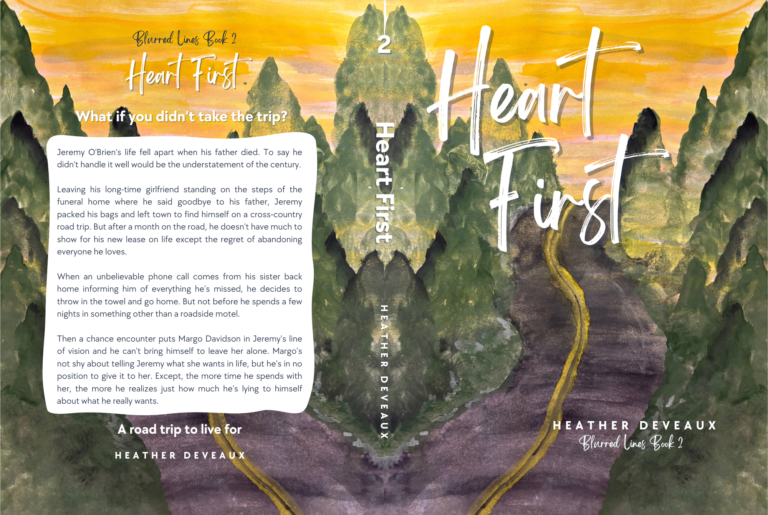
How do I know writing is a skill you can learn? Because I learned how to do it. In fact, I taught myself how to write a book. And then I wrote another one. And another one. Well, I’ll spare you the math and sentence line-up, but I’ve written 12 books in total. All of them published and sold to people in the world. That isn’t luck. It’s not talent. It’s skill. All of it: from getting the first sentence on the page to handing over a signed copy to a reader. Skill. And you can learn those skills.
The good news: you probably already have much more skill than you’re giving yourself credit for. You just think you can’t do this. I’m here to tell you that you can.
Create a Writing Routine with Others On the Same Path
I know that writing feels intimidating and it can feel overwhelming. It’s also isolating and requires a lot of focus that can be hard to maintain on your own. Writing requires consistency and commitment and of everything, those are the hardest things for aspiring writers to create. It’s difficult to create a routine around writing when it feels like everything else is so much more important. I put off writing a book for years. It wasn’t until I couldn’t find the book I wanted to read that I decided it was time to sit down and write one myself. And then I was hooked.
Now, I write every single day. Even on weekends. I’m always writing. Because even though I have published 12 books, I know that if I continue writing and building my skill, I’ll get better and better at it.
If you don’t know where to start or are feeling like you need someone to help you stay accountable to your writing goals, come join me for a Write Now Retreat and get those first sentences on the page. Writing is a skill. There’s no reason to put off becoming a writer. It just requires you to write. And I promise you, writing is a skill you can learn.